Is Voluntourism Actually Bad? The Nuanced Answer You’ve Been Looking For
Have you ever looked into a volunteer-abroad program, felt a spark of excitement, and then immediately felt a wave of… guilt? If you feel like your genuine desire to contribute is somehow "wrong" or that you’re overstepping just by wanting to be involved, this post is for you.
In recent years, the travel world has finally started having some tough, necessary conversations. If you’ve spent any time online in these spaces, you’ve likely seen the critiques about problematic travel and volunteer experiences and how detrimental they are to local communities. For many, these critiques can feel like a stop sign.
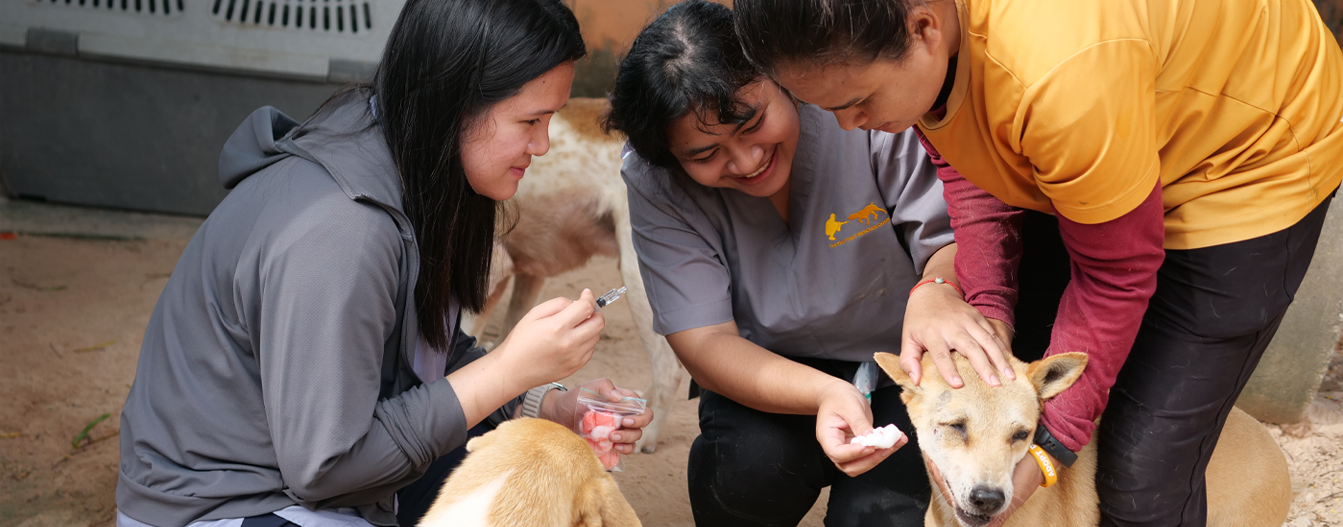
Our mission is to reframe that for you.
These conversations aren't meant to incite shame or to "call you out." They are actually meant to call you in. At CNC, when we talk about things like power dynamics and the ethics of travel, we aren't trying to make you feel bad, we’re giving you a new set of tools. Think of this awareness as a lens: it helps us see the world more clearly so we can move from being "well-intentioned" to being truly conscientious partners.
If the fear of "doing it wrong" is keeping you from packing your bags, let’s talk about it. We’re here to help you navigate the "how" so you can get back to the "why."
Below we will break down not just the issues in the larger tourism system but also how to start shifting your language, mindset, and plans to align your adventures more with responsible and conscious tourism.
It’s Not Just You, It’s the System
If you’ve felt confused about how to volunteer responsibly, it’s likely because the travel industry hasn't always made it easy to choose right.
For decades, the industry has prioritized the experience of the traveler over the needs of the community. When a program is designed to be a "product" sold to you, using imagery of you as the “saviour” to pull at your heartstrings to make a sale, the ethics can get blurry.
If you’ve been drawn to these programs in the past (don’t worry we’ve been there too), don’t beat yourself up. You were responding to the options you were given. Our goal is to start providing better ones by connecting you to local leaders who are already driving change and just need a bit of a tailwind, not a takeover.
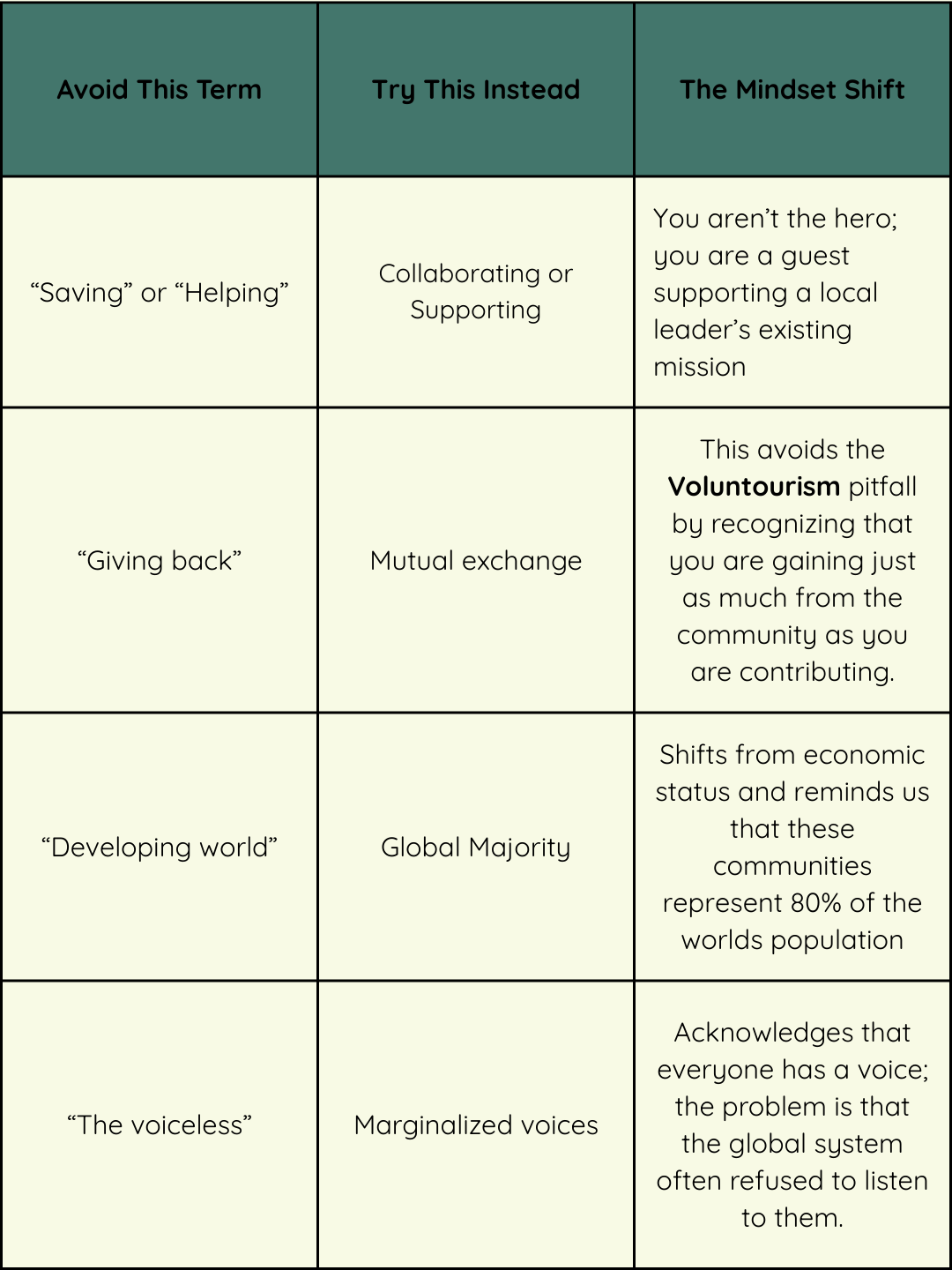
Changing the Conversation
One of the most powerful ways to move from well-intentioned to conscientiously- active is to look at the language we use.
First let’s talk about what we mean when we say the word “voluntourism”:
Voluntourism: This describes programs where the traveler’s "feel-good" experience is prioritized over the community’s long-term needs. When we identify "voluntourism," we can consciously choose to move toward mutual exchange instead.
By shifting our vocabulary, we naturally start to shift our mindset away from these traps. Here is how we’re changing the conversation to ensure our travel remains respectful and equitable:
How to Be Your Own Advocate
You don't need a degree in international development to be an ethical traveler. You just need to ask the right questions. When you’re looking at a program, consider these five questions. A responsible organization will be excited to answer them:
"Who identified the need for this project?" (Ideally: The local community, not the travel agency or organization.)
"What happens to this project when there are no volunteers present?" (It should be sustainable year-round.)
"Can you provide a breakdown of where my fee goes?" (Look for transparency and local economic support.)
"What do your safety & risk management protocols look like?" (Thorough measures that prioritize yours and the community's safety.)
"What specific skills are required, and how are they vetted?" (Ensure you aren't taking a job away from a qualified local professional, and aren’t doing anything you would not be qualified to do in your home country.)
How We Can Help
We’ll be honest: asking these questions is the first step, but getting real, transparent answers can feel like a part-time job.
To truly vet a program, you often have to do hours upon hours of digging to understand the in-depth details and the organization's true impact. It’s a lot of open tabs, a lot of emails, and a lot of research fatigue.
This is where we come in.
We believe that you shouldn't have to be a private investigator just to be a helpful traveler. We’ve made it our mission to do the heavy lifting so you don’t have to. When we partner with a project, we aren't just looking at the surface; we are looking at:
Financial Integrity: We verify that program fees stay in the local economy and that all staff are paid a fair, living wage.
Local Agency: We ensure projects are owned and led by the relevant local members of that community. They set the priorities; we provide the support.
Global Standards: We align all partnerships with international benchmarks, such as the UN Sustainable Development Goals, to ensure long-term, systemic impact.
Safety & Protection: We audit for rigorous safety protocols. If it’s not safe or dignified for you or the community, we don’t go.
Environmental Sustainability: We evaluate the environmental footprint of every project, ensuring local sourcing and responsible waste management are the default.
We don't gatekeep this information, we want you to know exactly what a responsible program looks like. But we also know that you’re busy, and you want to ensure your time and money are going exactly where they are promised.
We’ve already done the digging, so you can focus on the connection.
Let’s Talk About It
Have you ever had a volunteer experience that felt "off"? Or have you stayed home because you were worried about the ethics of a trip? Tell us about it. We want to hear your stories, your worries, and your questions.
Let’s stop letting guilt hold us back and start letting conscientiousness lead the way.