The Art of Exchange: How Storytelling Changes the Way We Wander
We often talk about literacy as the ability to read and write. But when we travel, we are talking about a different kind of literacy; and true cultural literacy goes deeper: it’s the ability to "read" the world through someone else’s eyes. Every seasoned traveller realizes that the most enduring souvenirs aren't in our suitcases; they're the experiences and perspectives we collect along the way.
While facts inform the mind, stories transform the heart. When we prioritize cultural exchange and literacy, we stop being tourists and start becoming global citizens.
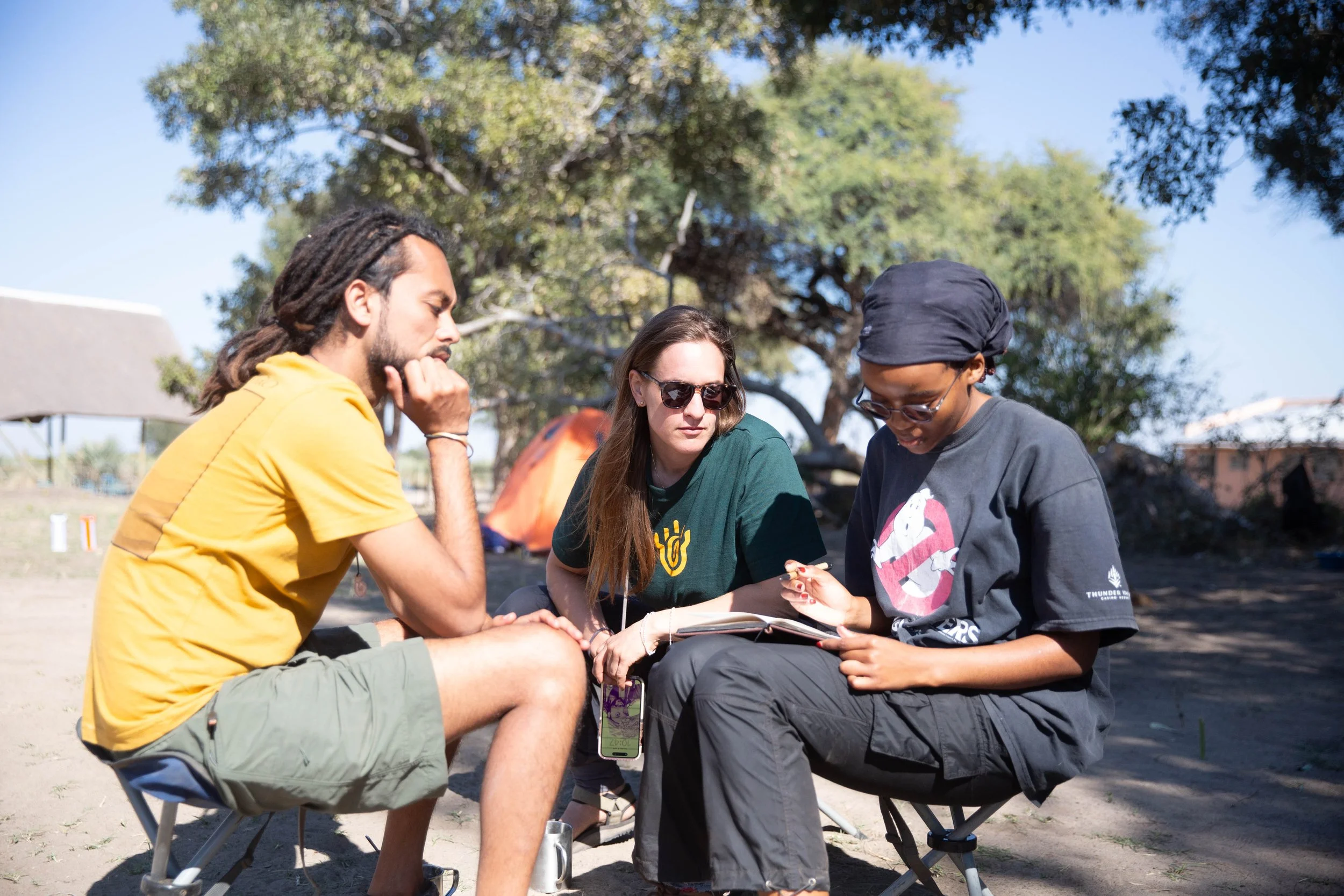
The Power of Narrative
Standard travel literacy is knowing how to navigate a train station or order a coffee. Cultural literacy, however, is the ability to understand the "why" behind a tradition.
When you sit down with a local community member and listen to their history, you aren't just learning facts about a country; you are gaining a window into their reality. This exchange creates a "Mirror and Window" effect:
The Window: You see a world and way of life that is vastly different from your own.
The Mirror: You reflect on your own culture, identity and experience and recognize universal human emotions like joy, grief, and hope, staring back at you.
Literacy Beyond The Page
Cultural literacy isn't just about finishing a book; it’s about contextual intelligence. By engaging with stories from different cultures, you develop:
Critical Thinking: Analyzing perspectives that challenge your own biases.
Nuance: Understanding that history is rarely a single narrative, but a tapestry of many voices.
Communication: Learning to listen as much as you speak; a vital skill in any global industry.
Storytelling as a Bridge to Empathy
Why do we remember a folk tale from childhood but forget a lecture from last week? Because the human brain is wired for narrative.
Storytelling acts as a "mnemonic device" for empathy. You might forget the exact year a conflict started, but you will never forget the story of a family navigating it. By centering education around the human experience and not just the facts, we make learning permanent and personal. In a world that can feel increasingly divided, stories are the antidote to "othering." When we travel with an ear for storytelling, we move past stereotypes. We learn that a city isn't just its architecture; it’s the collective memory of the people who walk its streets.
By engaging in these exchanges, we practice a form of "living literacy", reading the landscape of human experience in real-time.
"A person is a person through other persons." This Ubuntu philosophy reminds us that our growth as learners is inextricably linked to how well we understand the people around us.
Cultural Spotlight: Deepen Your Connection
To help you transition from sightseeing to story-seeking, here are three ways to immerse yourself in global narratives:
1. The Art of the "Living Room" Exchange
In many cultures, storytelling is a communal act.
Spotlight: The International Storytelling Center highlights how narrative traditions shape communities.
Travel Tip: Look for homestays or platforms like Eatwith where the meal is often just a vehicle for hours of conversation.
2. Audio Immersion: Podcasts for the Road
Before you land, prime your brain for the culture you’re about to enter.
Recommendation: Travel Tales by AFAR features travelers who came home transformed by a single encounter.
Recommendation: The Thoughtful Travel Podcast dives deep into the lessons we learn from getting lost and meeting locals.
3. The "Deep Read" List
Travel literature is more than just guidebooks; it's the bridge to a destination's soul.
Spotlight: Narrative 4is a global organization using story exchanges to build empathy.
Must-Reads: Testimonio, is a powerful collection of testimonies related to Canadian mining in Guatemala
Visual Storytelling in the Heart of Tanzania
We are incredibly proud to partner with The African School of Storytelling, an organization dedicated to amplifying African voices through visual storytelling.
The Mission: AFRISOS provides local storytellers with the tools and training to tell their own stories, ensuring that the narrative of the continent is told by those who live there.
Why it Matters: True cultural literacy means listening to local voices rather than outsiders' interpretations. By supporting local photographers and filmmakers, we ensure the window we look through is authentic and unfiltered.
We believe that the best way to understand the power of a story is to go to the source. We are currently designing an exclusive, immersive adventure in partnership with AFRISOS that goes far beyond the typical safari.
This isn't just a trip; it’s an opportunity to learn from local storytellers, engage in deep cultural exchange, and see the world through a new lens.
Want to be the first to know when we launch? Leave your email below to get early-access details on our upcoming adventure with AFRISOS.
The Travellers Mandate
True literacy isn't about how many books you've read, but how many perspectives you can hold at once. The next time you pack your bags, leave a little extra room for a story. Ask the vendor about their day; ask the guide about their grandfather’s city.
Exchange your world for theirs, even for a moment. You’ll find that the world gets a little smaller, and your heart gets a little bigger.