Rewriting the Script: How to Navigate 'The White Lotus Effect' Responsibly
At this point, who hasn’t heard of The White Lotus: a satirical show that takes place at different resorts around the world and shows the uglier side of luxury tourism, all while being hilarious and glamorous. Sounds like a positive thing right? Almost.
What is consistently missing from the larger conversation, is the aftermath shock and real life effects of the show on the destinations it highlights. We recently read an article in the Seattle Times that introduced the term screen tourism to us. It’s exactly what it sounds like: it's when the screen inspires tourism, and it is not a new concept!
England and Ireland are flooded with tourists specifically interested in seeing the sights from Harry Potter, and Game of Thrones, and likewise for Lord of the Rings in New Zealand.
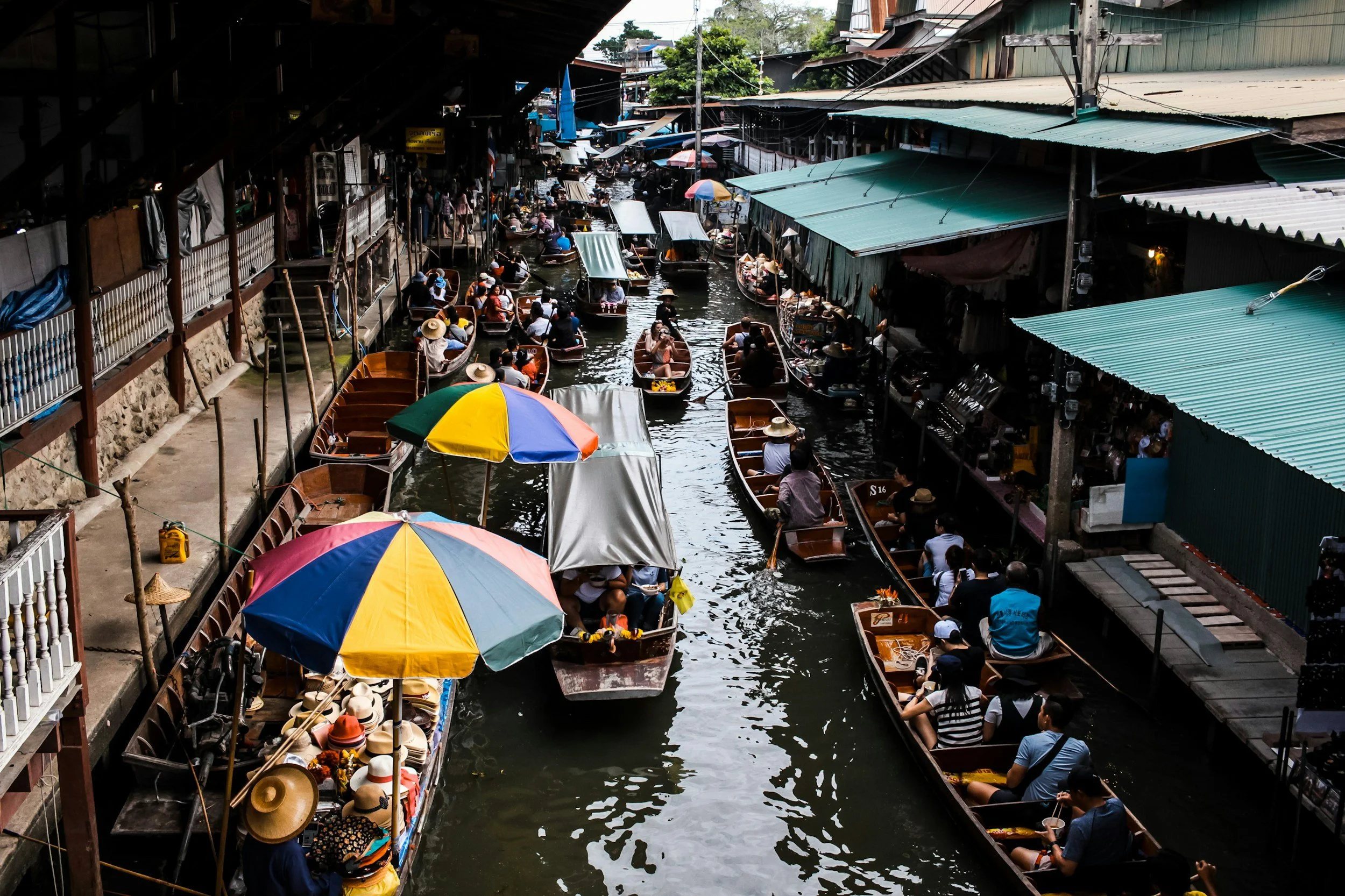
But in this age of so much access to media and the increased ease of travel, it’s all expanding at ever growing rates. In her article, Applegate points out that now, and especially in the case of the White Lotus destinations, “screen tourism – when viewers visit locations featured in television – transforms destinations overnight. Though this influx benefits economies, it raises concerns about sustainability, overtourism and cultural preservation.”
Applegate continues to analyse the phenomena stating that “screen tourism isn’t inherently harmful, but irresponsible travel has irreversible impacts on local communities and ecosystems.” The current case study of screen tourism now has become so extreme, a new phrase has been coined - The White Lotus effect. Oof.
Which brings us to our bread and butter here at CNC… how can we take this fast moving train that is global tourism, and re-route it towards a more sustainable, ethical and responsible future?
In a previous blog, we dug into what responsible tourism means to us, check it out for background reading. But the question we have now, and in response to all the buzz around the upcoming season of The White Lotus, is what responsibility do industries and companies have surrounding the aftermath effects of their actions and products - i.e., what responsibility do the creators, producers, beneficiaries of The White Lotus have to the communities their show unequivocally affects, to not only mitigate the negative impacts, but support and facilitate positive ones. And what can we do about it?
If a foreign show can profit off of the depiction, display and glorification of a place, its people and its culture, and does NOT then share its profits with said place and people, is it not then a new form of exploitation?
We think so.
Large corporations that participate and benefit from tourism need to start prioritizing the local people over their profits, and specifically in this scenario, the beneficiaries of The White Lotus show need to start factoring in ways to support the local economies and people in the places their shows film in and depict.
At the same time, we the tourists also hold responsibility to consume responsibly, and participate in systems (as imperfect as they are) as consciously as possible.
Here are a few tips we have come up with to be more responsible tourists, even if systems aren't totally working to support and protect local economies on a large scale:
Travel in off-seasons to help keep income flowing into local economies consistently, not just in extreme bursts
Opt for small, locally run accommodations instead of large hotel chains and resorts
Avoid air travel as much as possible
When booking tours, opt for locally run operators instead of large cookie-cutter tours
Research local policies around tourism, and learn how foreign companies operate in the country
Read local news to learn how locals feel about tourism
Talk to locals and see what is cool/interesting to do that might not be found online
As we wait for the next season of The White Lotus to hit our screens, the local economies of the featured destination are already bracing for impact. Screen tourism isn't going anywhere, but the "White Lotus Effect" doesn't have to mean devastation. We have the power to rewrite the script.
By shifting our mindsets from passive consumers to conscious global citizens, we can turn a fast-moving trend into a movement for genuine, sustainable equity. Tourism should enrich communities, not exploit them.
What do you think? Does Hollywood owe a debt to the places it features? How do you practice conscious travel in an age of viral tourism?
If you were to join a ‘screen tourism’ trip to a White Lotus destination, how would you want it to look so that it is more responsible?
Join the Conversation: Sign up for our CNC newsletter to get actionable guides on how to travel ethically, challenge industry norms, and vote with your wallet for a fairer world.